How to Care for Thangka Paintings, Mala Beads and Singing Bowls
Choosing quality materials first also helps: see our guides to choosing a Thangka and choosing mala beads. Handcrafted spiritual objects are designed to accompany practice for years, but natural materials respond to light, moisture, friction and handling. Proper care does not need to be complicated. A few consistent habits can protect the canvas, cord, gemstones, wood and metal while preserving the character of each piece.
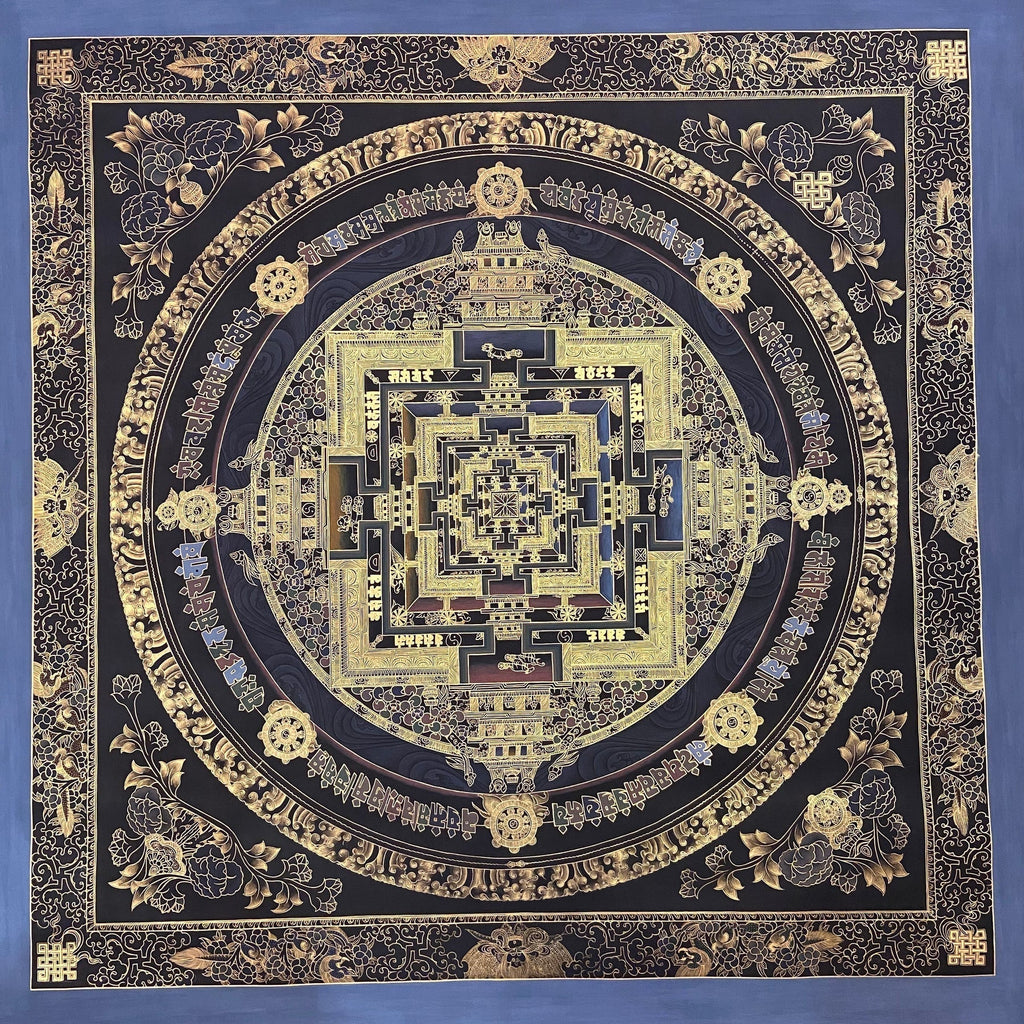
How to care for a Thangka painting
Protect it from direct sunlight
Strong ultraviolet light can fade pigments and weaken textiles over time. Display a Thangka away from windows receiving long periods of direct sun. Museum-grade UV-protective glazing can provide extra protection when using a frame, but the painted surface should not press directly against glass.
Control moisture and temperature
Avoid bathrooms, damp basements, walls with condensation and positions directly above heaters. Repeated changes in humidity can affect cotton canvas, paint layers and silk brocade. A stable, comfortable indoor environment is generally best.
Keep it away from smoke and grease
Kitchen vapour, candles, incense smoke and fireplaces can leave residue on a painting. Incense may be part of practice, but use ventilation and keep smoke from flowing directly across the surface.
Dust carefully
Do not wipe the painted canvas with water or cleaning products. Loose dust around a frame or brocade can be removed cautiously with a clean, very soft brush. If the artwork has stains, flaking paint or textile damage, consult a conservator rather than attempting a home repair.
Store it correctly
To understand their symbolism as well as their preservation, read the spiritual power of Thangka paintings. Traditional Thangkas were designed to be rolled, but rolling must be done gently and in the correct direction. Ensure the painting is clean and fully dry, avoid tight pressure and protect it with acid-free tissue or an appropriate archival layer. Never fold the canvas.
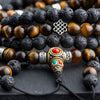
How to care for mala beads and bracelets
Avoid water and chemicals
Remove malas and bracelets before showering, swimming and washing dishes. Water can weaken thread, alter wood and enter porous stones. Perfume, lotion, cleaning agents and hairspray can leave residue or change the finish.
Handle the cord gently
Follow our mala and bracelet adjustment guide. When adjusting a macramé closure, pull the cord ends rather than tugging the beads apart. Do not repeatedly stretch an elastic bracelet beyond what is needed to pass over the hand. Regular strain is one of the most common causes of breakage.
Clean according to material
Wipe polished stone beads with a soft, dry or barely damp cloth, then dry them immediately. Keep wooden and seed malas dry. Avoid ultrasonic cleaners, abrasive compounds and chemical jewellery dips unless a professional confirms they are suitable for every material in the piece.
Store separately
Place a mala in its pouch when it is not being used or while travelling. Separating it from keys, metal jewellery and sharp objects prevents scratches and tangling. Do not leave natural stones for long periods in strong sunlight, as some colours can fade.
Inspect it regularly
Check the cord near the guru bead, dividers and closure for fuzzing or thinning. Restringing before a worn cord breaks is safer than waiting until beads scatter. Natural variation in stones and gradual patina on wood are normal and can make a piece more personal.
Browse our handcrafted malas and prayer beads.
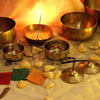
How to care for a singing bowl
Prevent impact damage
Use a stable cushion or flat surface and keep the bowl away from table edges. A fall can dent the rim, change the tone or create a crack. Do not strike with excessive force; a controlled motion creates a clearer sound and protects the metal.
Keep it clean and dry
After handling, wipe the bowl with a soft dry cloth. If deeper cleaning is needed, use a lightly damp cloth and dry the metal thoroughly. Avoid abrasive pads and strong household cleaners. Traditional patina is not dirt and does not need to be polished away.
Use the correct striker
A striker that is too hard or large can produce a harsh attack and put unnecessary stress on a small bowl. Felt-covered mallets soften the strike, while wooden or leather-wrapped strikers can help produce different overtones. Match the tool to the bowl's size.
Store accessories safely
Do not leave a heavy striker inside the bowl during transport because it can knock against the metal. Wrap the bowl and accessories separately, and use padding between nested bowls.
Explore our singing bowls and sets.
Respectful care and practical care belong together
For objects used in spiritual practice, respectful handling can itself become a mindful ritual. Store them in a clean place, use them intentionally and care for them without fear of normal ageing. Handmade objects naturally develop subtle signs of use; the goal is to prevent avoidable damage, not to keep them untouched.
Discover our collection of traditional hand-painted Thangkas.
Frequently asked questions
Can I clean a Thangka with a damp cloth?
No. Water can disturb pigments and stain the canvas. Use only a very soft dry brush for loose surface dust and consult a conservator for stains or damage.
Can I shower while wearing mala beads?
It is best to remove them. Water, soap and repeated stretching shorten the life of cords and may affect wood or porous stones.
Should I polish a Tibetan singing bowl?
Usually, gentle dusting and wiping are enough. Strong polishing can remove patina and alter the surface, so follow the maker's guidance before using any product.
-
Posted in
Buddhist Art, Mala Care, Singing Bowl Care, Thangka Care