Tibetan Singing Bowl Size Guide: How to Choose the Right Bowl
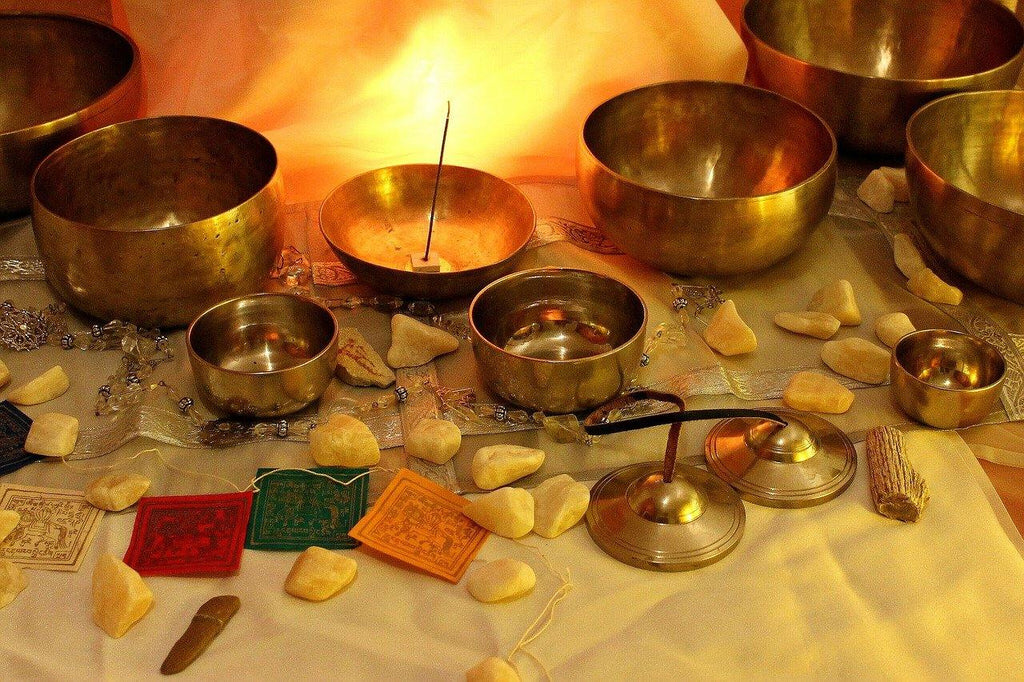
The right Tibetan singing bowl depends less on finding one “perfect” note and more on how you want to use it. Size, weight, wall thickness and craftsmanship all shape a bowl's voice. This guide explains the practical differences so you can choose confidently.
How singing bowl size affects sound
As a general tendency, smaller bowls produce brighter, higher tones and larger bowls produce deeper, lower tones. This is not an absolute rule. Two bowls of the same diameter can sound different because of their alloy, thickness, shape and hand-hammering.
A bowl also produces more than one frequency. The initial strike, sustained fundamental tone and higher overtones combine to create its character. For this reason, a sound reference recorded from the individual bowl is more useful than judging by size alone.
Small singing bowls
Small bowls are portable and easy to hold in one hand. Their clear, bright sound can mark the beginning or end of meditation, accompany short daily practice or add a contrasting tone to a larger set.
They usually have less sustain and volume than larger bowls. If you want a room-filling, low resonance, a very small bowl may not provide the experience you expect.
Medium singing bowls
A medium bowl is often the most versatile choice for a beginner. It is manageable to carry, offers fuller resonance than a compact bowl and works well for meditation, yoga sessions, personal sound practice and display.
Many medium bowls respond to both striking and rim playing. Technique still matters: hold the bowl without gripping its sides, keep the striker pressure steady and move around the rim at a calm, even pace.
Large singing bowls
Large bowls generally create deeper tones, stronger vibration and longer sustain. They are well suited to dedicated meditation rooms, group sessions and practitioners who prefer a grounded, enveloping sound.
They are heavier, need more storage space and may require a larger mallet. Check both diameter and weight before buying, especially if you will transport the bowl regularly.
What size is best for a beginner?
A medium-sized bowl is usually a sensible starting point because it balances portability, volume and ease of play. However, someone who travels frequently may prefer a small bowl, while a buyer seeking deep resonance at home may be happier with a larger one.
Hand-hammered versus machine-made bowls
Traditional hand-hammered bowls show subtle hammer marks and individual variation. Repeated heating and hammering forms the metal gradually, so no two pieces are completely identical. Machine-made bowls can be consistent and decorative, but they often differ in texture and tonal complexity.
Art of Tibet's Himalayan singing bowls are selected with attention to craftsmanship and sound. Because handmade bowls vary, individual product descriptions and sound references should guide the final decision.
Should you choose by chakra note?
Some modern practices associate musical notes with chakras. You can also explore the 7 Chakra Full Moon Bowl guide. These systems can be useful frameworks for personal or sound practice, but note labels should not be treated as a medical claim or a universal rule from all Tibetan traditions. Choose a sound that feels stable and pleasing to you.
Single bowl or singing bowl set?
If you are buying your first bowl, our guide to buying a singing bowl online provides additional background. A single bowl is ideal for learning basic striking and rim techniques. A set provides contrasting tones and a wider sound palette, but it requires more space and a larger budget. Beginners do not need a seven-bowl set to start a meaningful practice.
Listen before choosing
Use headphones when comparing recordings, but remember that microphones and speakers cannot fully reproduce physical vibration. Focus on the attack, sustain, depth and balance of overtones. A bowl whose tone you enjoy is more likely to become part of your regular routine.
Basic care
Place the bowl on a stable cushion, keep it dry and handle it with clean hands. Avoid dropping it or striking it excessively hard. For more detail, read our singing bowl care guide. Clean it gently with a soft dry cloth and do not use abrasive polish unless the maker specifically recommends it.
Explore our Tibetan and Himalayan singing bowl collection to compare individual bowls and sets.
Frequently asked questions
Do bigger singing bowls always sound deeper?
Usually, but not always. Wall thickness, alloy, shape and hammering also influence pitch and overtones.
What is the easiest singing bowl to play?
A responsive medium bowl with an appropriately sized striker is often easiest for beginners. Rim playing improves with steady pressure and practice.
Can a singing bowl be used every day?
Yes. Many people use one to open or close meditation, create a mindful pause or accompany a relaxation routine. It should not replace professional medical care.
-
Posted in
Meditation, Singing Bowl, Sound Practice, Tibetan Singing Bowl